What Are the Benefits of Using Angle Valves in Industrial Applications?
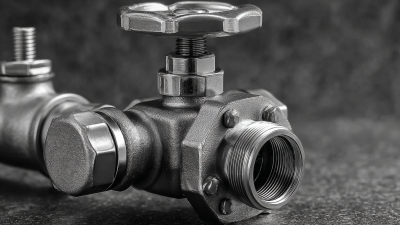
Angle valves play a crucial role in industrial applications. These valves are designed to control fluid flow effectively. Their unique design offers several advantages, making them popular in various sectors.
One significant benefit of angle valves is their space-saving properties. They are compact and can fit into tight spaces. This feature is essential in industries where every inch of space counts. Angle valves also offer better flow characteristics. Their shape allows for a smoother flow, reducing turbulence and energy loss. These benefits can lead to increased operational efficiency in many processes.
However, it’s important to consider the material and design of angle valves. Choosing the wrong type can lead to failures or inefficiencies. Regular maintenance is also necessary to ensure their longevity. While angle valves are reliable, factors like pressure and temperature must be monitored. Balancing benefits with careful consideration of these elements is crucial for optimal performance.
Overview of Angle Valves and Their Design Features
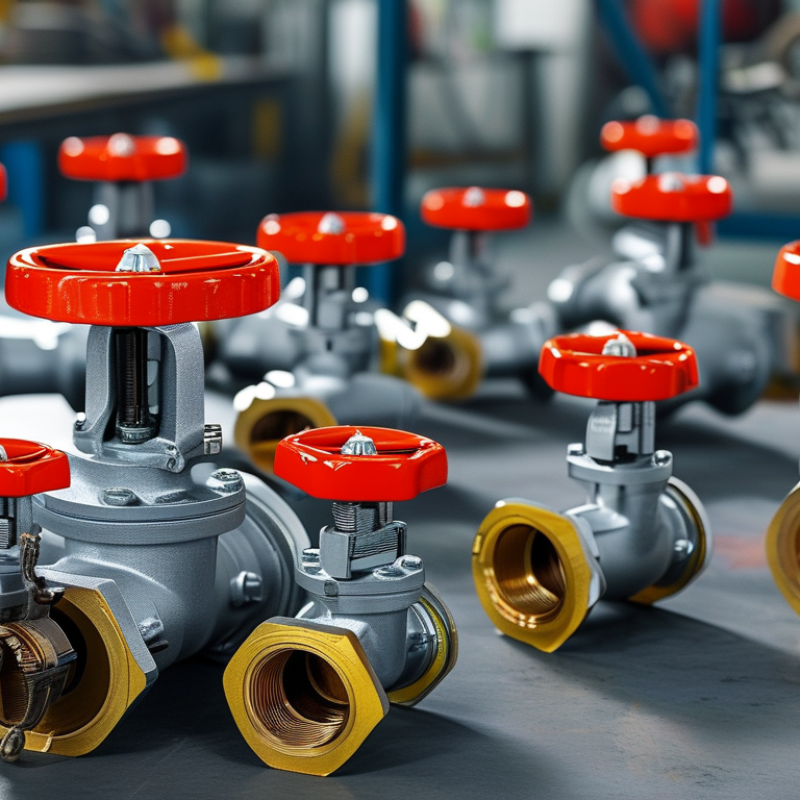
Angle valves have become a crucial element in various industrial applications due to their unique design features. These valves are named for their 90-degree angle between the inlet and outlet ports. This design allows them to efficiently control the flow of fluids. Studies indicate that angle valves can reduce pressure drops, which enhances overall system efficiency. According to industry reports, the correct valve design can lead to a 15% improvement in energy efficiency for fluid transport systems.
The specialized design of angle valves also contributes to their reliability and durability. Constructed from robust materials, they can withstand high pressures and temperatures. This resilience is vital in industries like oil and gas, where conditions can be extreme. The ability to maintain performance under stress is a significant advantage. Data suggests that systems utilizing angle valves experience fewer failures, which leads to reduced downtime and maintenance costs.
Despite their benefits, angle valves are not without challenges. The installation process can be complex, requiring skilled technicians to ensure proper alignment. Misalignment may lead to leaks or inefficiencies. Additionally, the increased initial cost of angle valves compared to traditional options can deter some users. However, the long-term savings from reduced maintenance and improved efficiency often justify the investment.
Benefits of Using Angle Valves in Industrial Applications
This chart illustrates the various benefits of using angle valves in industrial applications, represented in percentage terms. Angle valves are favored for their space efficiency, excellent flow control, durability, ease of maintenance, and overall cost-effectiveness.
Applications of Angle Valves in Various Industries
Angle valves serve a pivotal role in various industrial applications. They are characterized by their unique design, which allows for efficient fluid control. This feature is particularly valuable in sectors like manufacturing, chemical processing, and HVAC systems. Many facilities utilize these valves to manage flow rates effectively and ensure operational safety.
In the manufacturing sector, angle valves are crucial for controlling the flow of fluids. They adjust the way liquids and gases travel through pipelines. When working with corrosive chemicals, precision is essential. An angle valve provides the reliability needed to prevent leaks and potential hazards. In HVAC systems, these valves help regulate temperature and pressure, ensuring comfortable living and working conditions.
**Tip**: Always check the materials of angle valves to match your specific application. Different industries demand different levels of corrosion resistance.
In chemical processing, the use of angle valves can greatly influence the quality of the final product. Even slight errors in flow regulation can lead to inconsistent mixtures. Industries must regularly assess valve performance for efficiency. Over time, wear and tear can occur, making regular maintenance critical.
**Tip**: Document and schedule regular checks on your angle valves. Keeping track helps in preventing unexpected failures.
Advantages of Angle Valves in Fluid Control Systems
Angle valves play a crucial role in fluid control systems, particularly in industrial applications. Their distinctive design allows for efficient regulation of fluid flow, making them highly suitable for various environments. With a body shaped at a right angle, they facilitate smooth transitions in piping systems. This feature minimizes turbulence, ensuring better flow management.
One key advantage of angle valves is their space-saving design. They occupy less room than straight-valve configurations, making them ideal for limited spaces. This can result in easier installations in complex piping systems. Additionally, angle valves can handle high-pressure applications effectively, which is essential for many industrial processes.
Tips: Regular maintenance is important. Check for leaks and wear regularly. Ensure that valves are functioning properly to avoid downtime.
Another benefit is their ability to operate in both fully open and closed positions. This versatility enhances control over the flow rates. Moreover, the robust construction of these valves makes them suitable for harsh conditions. However, improper installation can lead to issues like leaks and inefficiency. Always consult with professionals during installation.
Tips: Use the right tools for installation. Improper tools can damage the valve. Always follow best practices to ensure longevity.
Comparative Analysis: Angle Valves vs. Other Valve Types
Angle valves are increasingly favored in industrial applications due to their unique design and operational efficiency. They allow for tighter sealing and optimized flow control. Unlike gate or globe valves, angle valves offer a 90-degree turn, minimizing flow resistance. This design leads to reduced energy consumption in fluid systems, as highlighted by a report from the American Society of Mechanical Engineers (ASME), which suggests a 15% energy savings in specific environments.
In addition to energy efficiency, angle valves offer superior durability in high-pressure settings. A study by the Valve Manufacturers Association (VMA) indicates that angle valves show a 20% increase in lifespan compared to traditional valve types under similar conditions. However, their installation can be more complex, requiring careful alignment. It’s essential to consider the specific application requirements when selecting the right valve.
While angle valves bring several advantages, they are not a one-size-fits-all solution. Their cost may be higher than standard valves. Operators must evaluate overall system requirements, including maintenance and potential friction losses. It's also important to ensure reliable supply chains for replacements, as downtime can be costly in industrial settings. Hence, understanding the full spectrum of valve options available is crucial for effective decision-making.
What Are the Benefits of Using Angle Valves in Industrial Applications? - Comparative Analysis: Angle Valves vs. Other Valve Types
| Valve Type |
Flow Efficiency |
Space Requirement |
Ease of Maintenance |
Cost |
| Angle Valve |
High |
Compact |
Easy |
Moderate |
| Globe Valve |
Moderate |
Requires more space |
Moderate |
Higher |
| Ball Valve |
High |
Compact |
Easy |
Moderate |
| Butterfly Valve |
Moderate |
Space-efficient |
Easy |
Lower |
Maintenance Tips for Angle Valves in Industrial Settings
Angle valves are often chosen for industrial applications due to their reliability and efficiency in controlling fluid flow. However, proper maintenance is essential to ensure their longevity and performance. Regular inspections can prevent potential failures. Dirt and debris can accumulate inside the valve, affecting its function.
To keep angle valves in excellent condition, start with routine cleaning. Use appropriate solvents that won’t damage the valve materials. Inspect the valve seat and seal for any signs of wear or damage. If you find any issues, consider immediate replacements. Remember, ignoring small problems can lead to bigger challenges.
Lubrication is also crucial. Apply a suitable lubricant to the valve stem to prevent corrosion. However, be cautious not to over-lubricate, as this can attract more dirt. Keep records of maintenance activities; this helps monitor performance trends. Reflect on past issues encountered. Learning from these experiences enhances future maintenance strategies.