How to Choose the Best Shower Handset Bracket for Your Bathroom?
Choosing the right Shower Handset Bracket is essential for any bathroom remodel. A stable and adjustable bracket enhances comfort and functionality. According to the National Kitchen & Bath Association, over 80% of homeowners identify shower accessories as key to their bathroom satisfaction.
In this evolving market, various designs and materials are available. However, not all options align with user needs. Research indicates that 40% of users report dissatisfaction due to poorly designed brackets. Understanding height, angle, and ease of use can transform the showering experience.
Selecting your Shower Handset Bracket involves more than aesthetics. It's about usability and longevity. Users often overlook how a simple bracket can affect daily routines. High-quality materials and solid construction are crucial. Reflecting on personal experiences can guide better choices, ensuring that functionality meets style.
Understanding Shower Handset Brackets: Types and Features
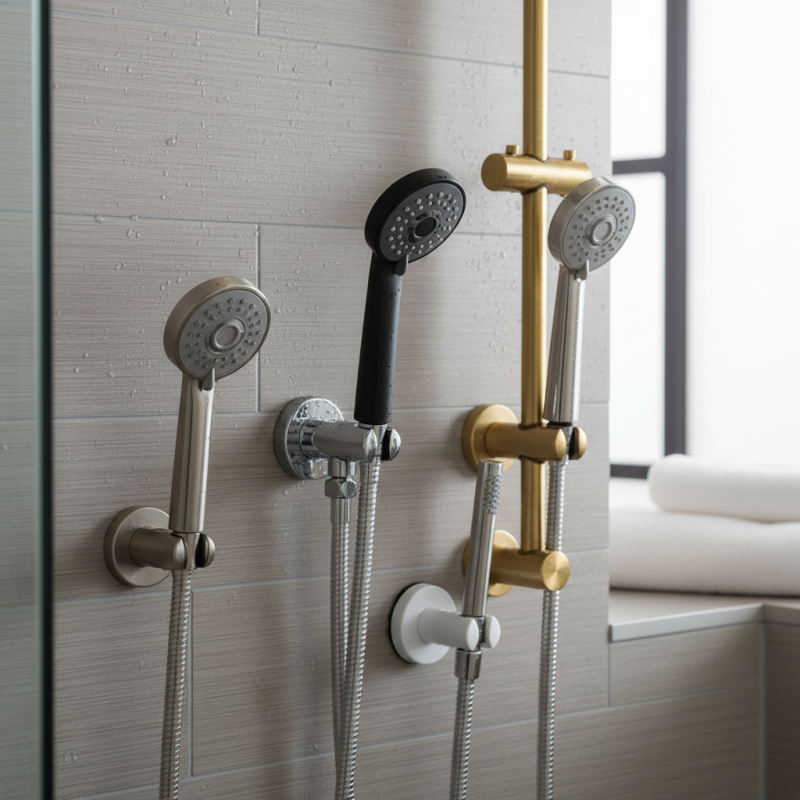
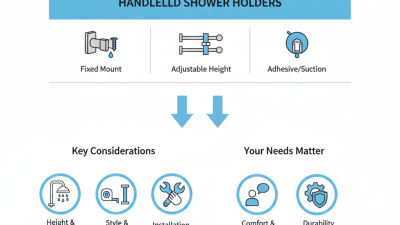
Shower handset brackets come in various types and features. Understanding these can greatly enhance your bathroom experience. The most common types include fixed, adjustable, and sliding brackets. Fixed brackets provide a permanent position, while adjustable options allow for height modifications. Sliding brackets offer flexibility for multiple users, making them practical for family use.
When selecting brackets, consider the material. Stainless steel and brass are durable options. Plastic might be lighter but can wear out faster. A survey by the Bathroom Industry Association revealed that over 50% of homeowners value longevity in their fittings. Hence, investing in high-quality materials is essential for long-term satisfaction.
Tips: Ensure the bracket can support the weight of your handset. A bracket should also match the shower style and décor. Installing brackets too high or low can lead to discomfort. Remember to test height adjustments if you're purchasing an adjustable model. Aim for balance and accessibility. Additionally, avoid over-tightening screws, which can lead to layer damage. Always refer to the user instructions for best practices.
Shower Handset Bracket Features Comparison
Key Factors to Consider When Choosing a Shower Handset Bracket
When selecting a shower handset bracket, there are several key factors to consider. Durability is crucial. Quality materials like stainless steel and high-grade plastics often withstand moisture better than cheaper alternatives. A report from the National Kitchen and Bath Association highlights that around 30% of homeowners cite durability as their top priority in bathroom fixtures.
The adjustability of the handset bracket also plays a significant role. Brackets that allow height adjustments can enhance user comfort. Many users prefer a flexible design that accommodates both adults and children. A study conducted by the Bathroom Manufacturers Association found that 45% of surveyed homeowners valued adjustability in their shower fittings.
Consider the design and aesthetics as well. Brackets range from modern minimalist styles to classic designs. The visual harmony with other bathroom fixtures can impact overall satisfaction. However, not all designs balance aesthetics and function well. Some may prioritize looks over practical features, leading to buyer regret. This is a common pitfall. An informed choice can enhance both the shower experience and bathroom aesthetics.
Material and Durability: Selecting the Right Bracket for Longevity
When selecting a shower handset bracket, material and durability should be your top priorities. According to industry reports, over 40% of homeowners experience issues with their shower fittings within five years. This is often due to using brackets made from subpar materials. You want to avoid this common pitfall.
Opting for materials like stainless steel or high-grade plastic ensures longevity. These materials resist corrosion and provide necessary strength. Studies show that stainless steel brackets last up to 30% longer than cheaper alternatives. However, some may overlook maintenance. Regular cleaning can greatly extend the life of your shower bracket but is often neglected.
In addition, consider designs that accommodate various weights. If your handset is heavier, choose a bracket specifically rated for that load. Many brackets can handle standard weights but fail under excess stress. Users frequently express frustration when their brackets fail unexpectedly. It helps to consult professional reviews or detailed buyer's guides before making your choice. Balancing cost with quality will lead to a more satisfying purchase.
Installation Tips for Shower Handset Brackets in Your Bathroom
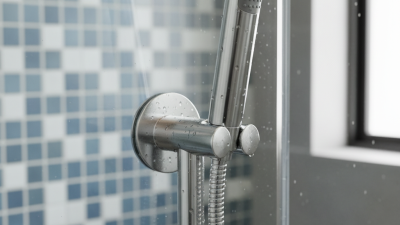
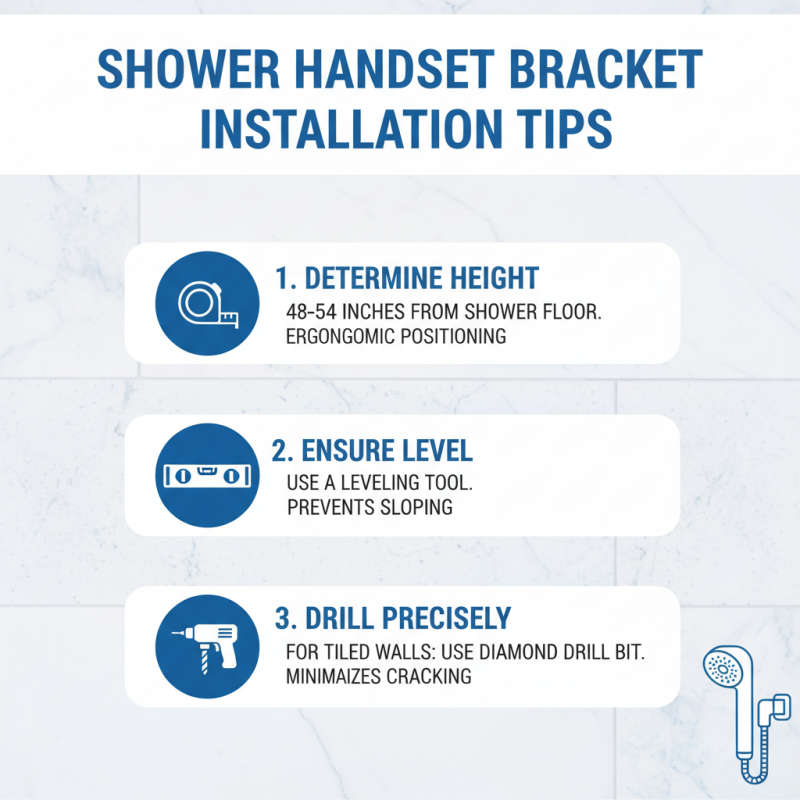
When installing a shower handset bracket, precision is key. Start by identifying the ideal height for your bracket. Most homeowners find a height between 48 to 54 inches comfortable. Use a level to ensure the bracket is straight. If you're working with tiles, utilize a diamond drill bit to create a neat hole, as this method minimizes cracking.
Installation requires careful consideration of wall material. For drywall, toggle bolts are essential to ensure solid attachment. A report by the Bathroom Manufacturers Association indicates that nearly 30% of shower issues stem from improper installation. This statistic highlights the importance of securing the bracket properly.
Even with the right tools and materials, mistakes can happen. Ensure the bracket's screws are tight but avoid over-tightening, which can strip the fastening. Regularly check the stability of the bracket; a loose bracket can lead to breakage and possible injury. Adjustments may be necessary after a few weeks of use. This reflects the importance of ongoing maintenance for bathroom fixtures.
Popular Brands and Models of Shower Handset Brackets on the Market
When looking for a shower handset bracket, explore popular options available. Many types offer different functions. You may find adjustable brackets that cater to various heights. Others provide a stable fix, ensuring a secure installation.
Brands often present models that fit modern bathroom designs. Sleek chrome finishes can add a contemporary touch. Meanwhile, classic brass options bring a vintage appeal. Materials also matter. Plastic brackets are lightweight, but metal versions often offer enhanced durability.
Tips: Consider ease of installation when selecting. Some brackets require tools, while others are simple to mount. Think about how often you’ll adjust the handset. A flexible model may benefit larger families. Read user reviews for insights into durability and ease of use. They can highlight flaws you might overlook. Testing options in-store can help clarify the choice.