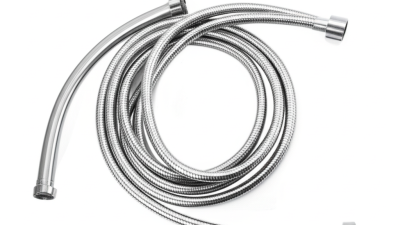
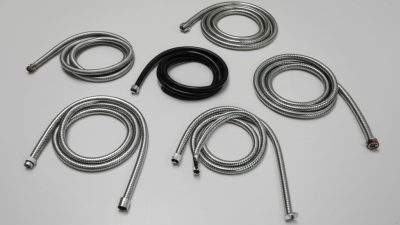
2026 How to Choose the Best Stainless Steel Shower Head Hose?
Choosing the right Stainless Steel Shower Head Hose can greatly enhance your bathing experience. According to industry reports, the demand for quality shower accessories is on the rise, with the market projected to grow by 10% annually through 2026. This growth reflects consumers' increasing focus on durability and performance in bathroom fixtures.
Stainless steel hoses offer advantages like resistance to corrosion and flexibility, making them a popular choice. However, not all products are created equal. Many options vary in thickness, length, and design. Inadequate knowledge when choosing these hoses can lead to frustrating experiences, such as leaks or reduced water flow.
Understanding your specific needs is crucial. Factors like water pressure and hose length can affect your choice. Moreover, consulting product reviews and reliable sources ensures you select a high-quality hose. This decision impacts not just aesthetics but functionality in your daily routine. Taking the time to research and compare options is essential for a satisfying purchase.
Factors to Consider When Choosing a Stainless Steel Shower Head Hose
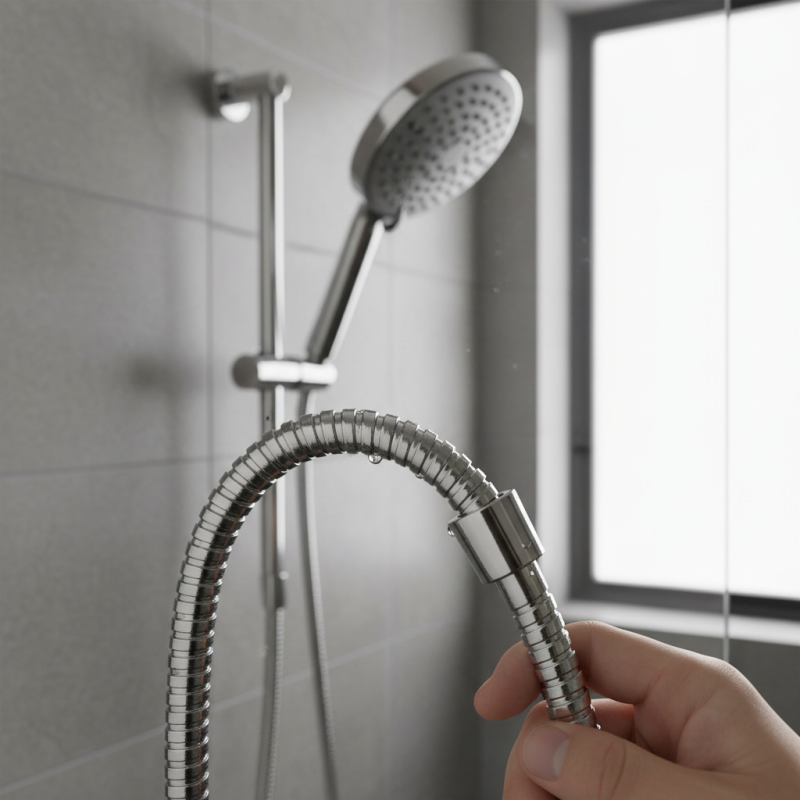
Choosing the right stainless steel shower head hose can greatly enhance your bathing experience. When selecting a hose, consider the length. Longer hoses offer greater flexibility, allowing for ease of movement. However, too long a hose may create clutter or tangling issues. A 60-inch hose often strikes a sweet balance for many users.
Material quality matters. Look for hoses made from durable stainless steel. Some options have a plastic core, which may compromise longevity. It's also wise to check for features like anti-kink designs. These can make life easier by preventing twists and tangles. Remember, not all products are created equally; manufacturers differ in quality.
Tips: Inspect the hose connections. Secure fittings are crucial to prevent leaks. Test for flexibility by bending the hose gently. Lastly, consider aesthetics. A sleek design can complement your bathroom decor. Small details can make a big difference in your overall satisfaction with the product. Keep these factors in mind to ensure your choice is both practical and visually appealing.
2026 How to Choose the Best Stainless Steel Shower Head Hose?
| Factor |
Description |
Recommendation |
| Material Quality |
Look for hoses made from high-quality stainless steel to ensure durability and resistance to corrosion. |
Choose hoses labeled as high-gauge or those that specify 304 stainless steel. |
| Length |
Select a length that suits your shower layout and personal preference. |
Common lengths range from 59 inches to 79 inches. |
| Flexibility |
A flexible hose allows for ease of movement and positioning during a shower. |
Opt for hoses that are braided or designed for high flexibility. |
| Connection Type |
Ensure the connection type is compatible with your existing shower head and nozzle. |
Check for universal fitting or specific thread sizes before purchase. |
| Weight |
A lightweight hose can be easier to handle but may impact durability. |
Balance weight with the quality of material; too light may not be durable. |
| Price |
Prices can vary greatly; it's essential to find value for your budget. |
Set a budget and compare features rather than just the cost. |
Understanding Different Types of Stainless Steel Shower Head Hoses
When choosing a stainless steel shower head hose, understanding the different types available is essential. There are various styles, such as flexible and reinforced hoses. Some hoses are designed specifically for handheld showerheads, while others attach to fixed heads. The flexibility of the hose makes a significant difference in installation and use. A more flexible option can enhance mobility during your shower.
Durability is another crucial factor. A well-constructed stainless steel hose can resist kinks and wear over time. However, not all hoses are created equal. Some may feel flimsy despite their shiny exterior. Pay attention to the connection points, as these areas can wear out faster than the hose itself. It's also worth considering the length of the hose. A longer hose allows for greater reach, but it may come with drawbacks like tangling or reduced water pressure.
Keep in mind the importance of ease of cleaning. Stainless steel surfaces can attract mineral buildup. Regular maintenance is key to prolonging the hose’s lifespan. A thorough cleaning routine can help maintain the finish and prevent corrosion. The materials and design directly impact the functionality of the showerhead system. Testing different hoses can provide insights into what works best for your specific shower setup.
Evaluating the Durability and Corrosion Resistance of Shower Head Hoses
When evaluating the durability and corrosion resistance of stainless steel shower head hoses, it's vital to consider material quality and manufacturing standards. A report from the American Society for Testing and Materials highlights that high-grade stainless steel can significantly reduce the risk of rust and wear, ensuring longevity. Not all stainless steel is designed equally; some mixtures can be more prone to corrosion.
The surface finish of a hose plays a crucial role in its performance. Polished hoses tend to resist corrosion better than brushed or matte variants. According to industry data, a polished hose can remain free from rust for 15 years or more. However, cheaper alternatives may require replacement much sooner, which could lead to increased costs in the long run.
It's also important to note mishaps in material selection. Some manufacturers cut corners, using lower-grade steel that looks the part but fails under pressure or moisture. This can mislead consumers into thinking they are purchasing a high-quality product. Therefore, examining specifications and third-party certifications is essential for making informed choices.
Importance of Hose Length and Flexibility in Shower Experience
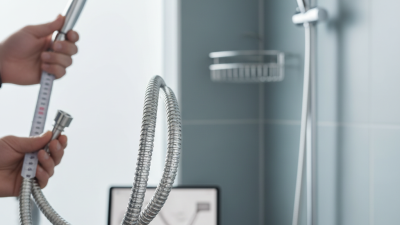
When choosing a stainless steel shower head hose, the length and flexibility are crucial. A shorter hose may restrict movement, making it hard to rinse off effectively. Longer hoses provide added freedom, allowing you to maneuver around the shower space comfortably. Many people find that a length of five to six feet works well for most setups. However, if you have a larger shower area, you may need to consider even longer options.
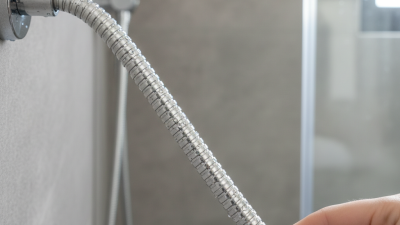
Flexibility also plays a key role in the user experience. A stiff hose can lead to frustration, as it may not bend easily while in use. On the other hand, a flexible hose can enhance your shower routine, making it easier to reach all body areas. It's important to find a balance between durability and maneuverability. In some cases, users find their hoses kinking or tangling, which detracts from their experience.
Choosing the right hose involves trying out various lengths and flexibility levels. Pay attention to how the hose performs during your daily routine. It’s all about finding what feels good for you and enhances your time in the shower. Explore different options before making a decision, and remember that the ideal hose complements your shower setup while maintaining ease of use.
Comparing Price vs Quality: Finding the Best Value in Shower Hoses
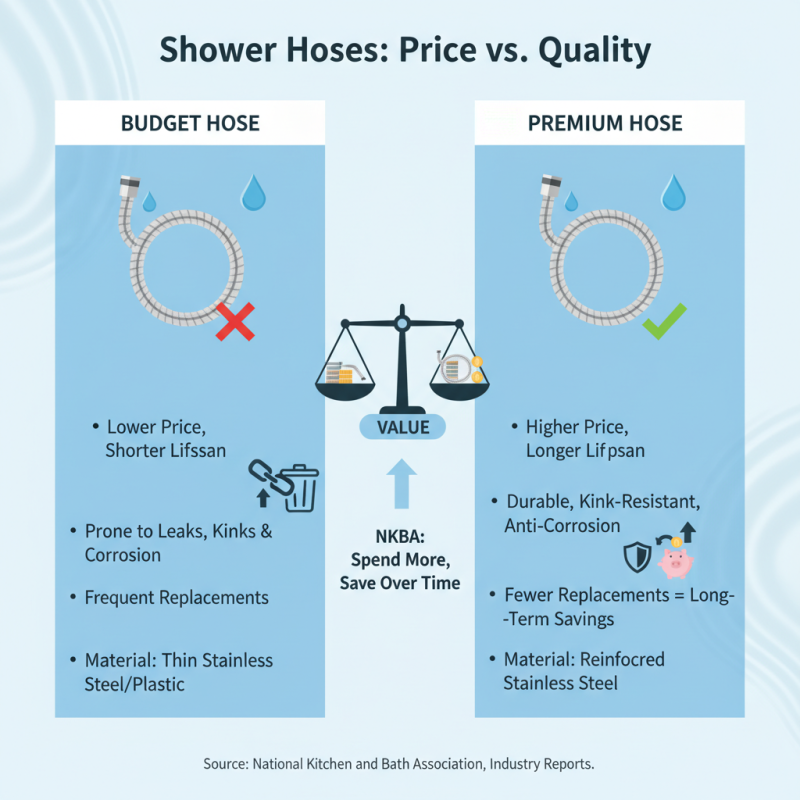
Choosing the right stainless steel shower head hose involves balancing price and quality. Industry reports indicate that cheaper hoses often compromise durability. A quality hose can last longer and resist corrosion. According to the National Kitchen and Bath Association, spending slightly more could lead to significant long-term savings through reduced replacements.
When comparing options, analyze materials and construction. Look for hoses made from high-grade stainless steel, which provides strength and flexibility. Some reports suggest that reinforced hoses can withstand higher pressures, minimizing leaks. While selecting, remember that a higher price does not always guarantee better performance. Some mid-range options provide exceptional functionality without breaking the bank.
**Tip:** Check customer reviews for real-world insights on durability.
**Tip:** Pay attention to warranty offers. A longer warranty often reflects a brand's confidence in their product.
**Tip:** Consider the installation process. A hose that’s easier to install may save you time and effort.