Leave Your Message
Choosing the right angle valve in 2026 requires more than matching pipe size. The small fitting controls water flow, service access, and potential leak points beneath sinks, toilets, and appliances. Many buyers search for “Angle Vlave,” but the decision should focus on performance, compatibility, and long-term reliability.
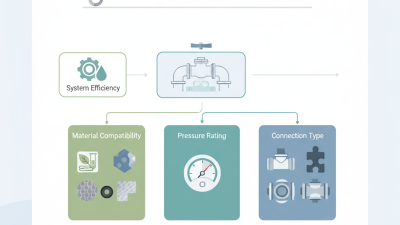
I have seen installation problems begin with a simple mismatch. A valve may fit the pipe but fail to suit the connection thread, outlet direction, or tubing material. Check the inlet size, outlet type, pressure rating, temperature range, and handle clearance. Quarter-turn ceramic or metal cartridges usually provide quick shutoff and easier maintenance. Compression valves can work well, but they demand careful alignment and tightening. Too much force can damage threads or distort the sealing ring.
Material matters. Lead-free brass, stainless steel, and certified polymer bodies offer different balances of strength, corrosion resistance, and cost. Look for recognized testing marks and clear manufacturer documentation. Confirm local plumbing requirements before purchasing, because standards and approved materials vary by region. A product page alone is not always enough.
Think about the actual space. A narrow cabinet may need a compact body or side-mounted handle. Hard water can expose weak seals sooner than expected. I once underestimated access around a basin valve, and routine servicing became unnecessarily awkward. That mistake shaped my selection process. Measure twice. Inspect the existing connection. Choose a valve that can be isolated quickly when a hose fails. The cheapest option may not remain cheap after repeated repairs.
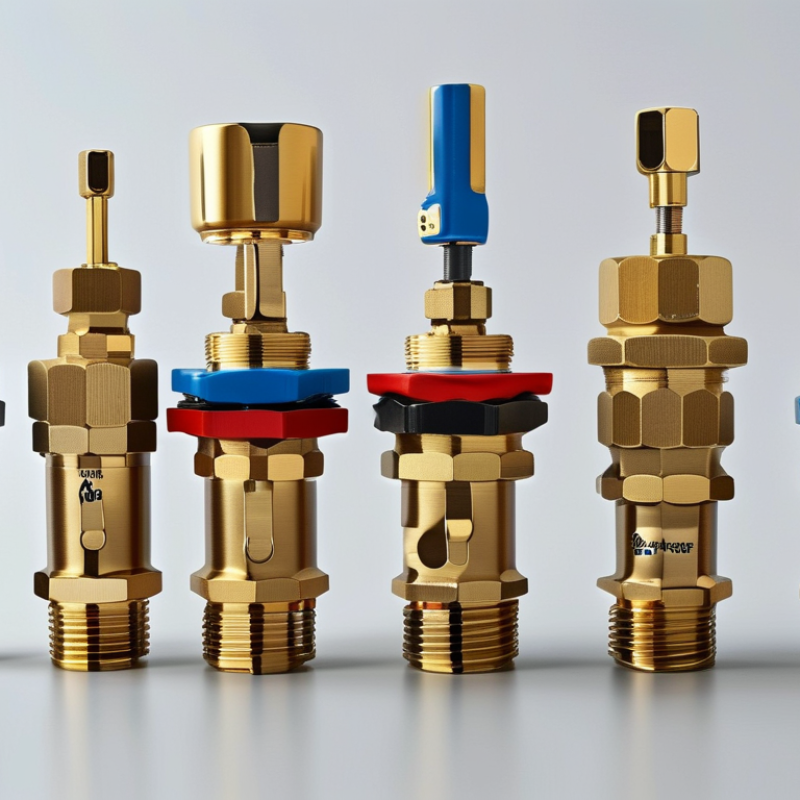
How to Choose an Angle Valve in 2026?
Understanding Angle Valve Types and Their Applications
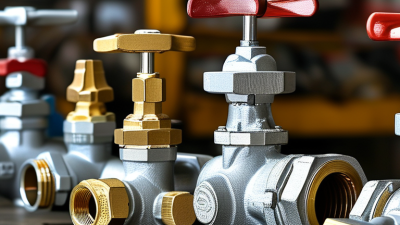
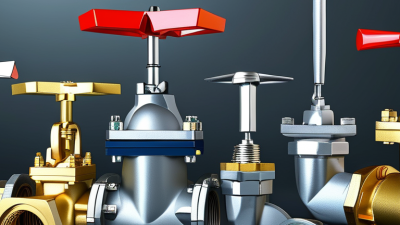
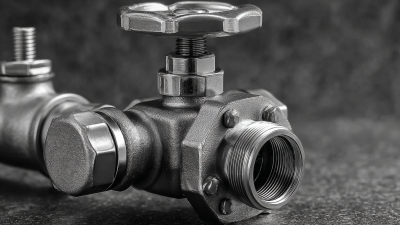
An angle valve redirects a supply line by 90 degrees, saving space behind fixtures. Compression valves suit older copper piping and small repair jobs. Quarter-turn valves use a ceramic or metal cartridge, allowing faster shutoff with less handle movement. Multi-outlet valves serve a toilet and bidet from one supply point. Thermostatic angle valves help control temperature near showers or washbasins.
Choose the connection carefully. Threaded, compression, PEX, and sweat ends are not interchangeable. Check pressure, temperature, pipe size, and water quality before installation. A valve under a kitchen sink may face frequent operation, while a water-heater connection needs higher temperature resistance. According to the U.S. Environmental Protection Agency, household leaks can waste nearly 10,000 gallons of water annually. A dripping angle valve is small, but the waste is not.
Material also matters. Brass offers strength, while corrosion-resistant alloys may perform better in aggressive water. Plastic valves can reduce cost, yet their threads may suffer from overtightening. I have seen installers replace sound valves because the wrong sealant damaged the connection. That mistake is avoidable. The valve should remain accessible, operate smoothly, and match local plumbing requirements. The 2024 UN World Water Development Report highlights growing pressure on freshwater systems, making reliable shutoff and leak prevention more important. Still, the most expensive valve is not always the most suitable one.
| Angle Valve Type | Operating Mechanism | Typical Materials | Common Sizes | Typical Pressure and Temperature Range | Recommended Applications | Main Advantages and Selection Considerations |
|---|---|---|---|---|---|---|
| Compression Angle Valve | Hand-operated quarter-turn or multi-turn stem controls flow through a 90-degree outlet. | Brass, stainless steel, polymer handle, and elastomer seals. | Commonly 1/4 in to 3/4 in outlet connections. | Typically suitable for domestic water systems up to approximately 1,000 kPa and 0°C to 60°C, depending on the model and seal material. | Lavatory faucets, toilet cisterns, bidets, refrigerator water lines, and other fixture supply points. | Fast installation with standard tubing; verify tubing outside diameter, compression nut compatibility, and local plumbing-code approval. |
| Multi-Turn Stop Angle Valve | A threaded stem moves a washer or disc gradually toward the seat to regulate or shut off flow. | Forged brass, stainless steel, engineering polymer, and rubber or PTFE seals. | Often available from 1/2 in to 1 in nominal connections. | Commonly rated for residential cold or hot water; many models operate around 0°C to 80°C, subject to the product rating. | Residential plumbing fixtures, utility sinks, water heaters, and applications requiring controlled shutoff. | Provides gradual flow control and low water hammer risk; usually slower to operate than a quarter-turn valve. |
| Quarter-Turn Ball Angle Valve | A perforated ball rotates 90 degrees to open or close the passage. | Brass or stainless steel body, chrome or nickel finish, PTFE seats, and elastomer stem seals. | Commonly 1/4 in to 1 in connections. | Many water-service models are rated around 1,000 to 1,600 kPa and 0°C to 80°C; exact limits vary by construction. | Frequently operated fixture supplies, maintenance isolation points, and locations where quick shutoff is important. | Quick operation, clear handle position, and relatively low flow resistance; not intended for fine throttling unless specifically designed for it. |
| Check Angle Valve | Combines manual shutoff with an internal check mechanism that permits flow in one direction only. | Brass or stainless steel body, spring-loaded poppet, and elastomer or PTFE sealing components. | Commonly 1/2 in to 3/4 in plumbing connections. | Typical water-service ranges are approximately 0°C to 80°C and up to 1,000 kPa, depending on the valve rating. | Water heater connections, appliance supplies, filtration equipment, and systems requiring backflow reduction. | Saves space by combining two functions; confirm the flow-direction arrow and ensure it meets applicable backflow-prevention requirements. |
| Dual-Outlet Angle Valve | One inlet supplies two separately controlled outlets, usually with individual quarter-turn or multi-turn controls. | Brass or stainless steel body with elastomer seals and metal or polymer handles. | Commonly 1/2 in inlet with two 3/8 in or 1/2 in outlets. | Typically designed for domestic water temperatures from 0°C to 80°C, with pressure ratings commonly near 1,000 kPa. | Supplying a faucet and dishwasher, a toilet and bidet spray, or two nearby plumbing fixtures. | Reduces the number of wall connections and saves installation space; verify that the combined demand does not exceed the inlet capacity. |
| Angle Stop with Drain | Provides shutoff plus a small drain or purge port for releasing downstream water. | Brass or stainless steel body, corrosion-resistant drain screw, and elastomer seals. | Commonly 1/2 in inlet with 3/8 in or 1/2 in outlet. | Often used within domestic water ratings up to approximately 1,000 kPa and 0°C to 80°C, subject to the model. | Fixture maintenance, seasonal draining, laboratory utility points, and installations where line draining is useful. | Improves serviceability and reduces disassembly; the drain port must be capped or closed securely after use. |
| Needle-Type Angle Valve | A tapered needle moves through a small orifice to provide precise flow adjustment. | Brass, stainless steel, or other compatible metal alloys; PTFE or elastomer seals. | Often 1/8 in to 1/2 in connections. | Frequently used for low-flow service; temperature and pressure limits vary significantly by design. | Instrumentation, laboratory equipment, pneumatic control systems, sampling lines, and low-flow metering. | Offers fine adjustment and repeatable control; it is generally unsuitable for rapid shutoff or high-flow applications. |
| Instrument Angle Valve | Compact valve designed for precise isolation or regulation of a gauge, sensor, or small process line. | Stainless steel, brass, or corrosion-resistant alloy with metal or polymer sealing elements. | Commonly 1/8 in to 1/2 in threaded or tube connections. | May support higher pressure and wider temperature ranges than household valves; always use the specific pressure-temperature chart. | Pressure gauges, transmitters, calibration equipment, analytical instruments, and control panels. | Compact layout and accurate isolation; compatibility with the process fluid, leakage class, and connection standard is essential. |
| Pneumatic or Solenoid Angle Valve | Uses compressed air or an electrical solenoid actuator to open and close the valve automatically. | Brass, stainless steel, aluminum, engineered polymer, elastomer diaphragm, and actuator components. | Commonly 1/8 in to 2 in, depending on flow requirements and valve design. | Pressure, temperature, response time, and duty cycle vary widely; typical industrial models require a defined supply-pressure range. | Automated water treatment, compressed-air systems, process equipment, irrigation controls, and machine automation. | Enables remote or automated control; select the correct voltage, fail position, fluid compatibility, Cv/flow capacity, and actuator duty cycle. |
| Thermostatic Angle Valve | Uses a temperature-sensitive element to regulate the proportion of hot and cold water automatically. | Brass or stainless steel body, thermostatic cartridge, and temperature-resistant seals. | Commonly 1/2 in and 3/4 in connections. | Designed for hot and cold water service; maximum temperature is commonly around 80°C, but anti-scald settings and ratings differ by model. | Showers, wash stations, healthcare facilities, and systems requiring stable mixed-water temperature. | Improves temperature stability and scald protection; proper installation, calibration, and hot/cold inlet orientation are required. |
| Filter Angle Valve | Combines shutoff with a removable screen or small filter element that captures particles. | Brass, stainless steel, or polymer body with stainless steel or polymer mesh. | Commonly 1/2 in to 1 in connections. | Typically used in clean-water service within approximately 0°C to 80°C; pressure capacity depends on the filter and body design. | Protecting faucets, flush valves, appliance inlets, dosing equipment, and small control components. | Helps protect downstream components; the filter requires periodic cleaning and may reduce flow if clogged. |
Selection checklist: Confirm the fluid, connection standard, nominal size, pressure rating, temperature range, flow direction, required flow-control method, available installation space, seal compatibility, certification requirements, and maintenance access. The pressure and temperature values shown are typical guidance only; the manufacturer’s technical data and local regulations take priority.