What to Know About Faucet Cartridge Types and Selection?
When choosing a faucet, understanding the various faucet cartridge types is essential. Faucet cartridges play a significant role in the functionality and longevity of faucets. According to industry reports from the American Society of Plumbing Engineers, a faulty cartridge contributes to over 80% of faucet leaks. Selecting the correct cartridge type can enhance water efficiency by up to 20%.
Different faucet cartridges, such as compression, cartridge, and ball types, affect water flow and temperature control. Each type has its benefits and drawbacks. For example, while ceramic disc cartridges offer durability, they can be more expensive upfront. This is a critical consideration for many homeowners. Additionally, the decision-making process often lacks clear guidelines, leading to frequent mistakes in product selection.
Understanding these intricacies is vital for anyone considering a faucet upgrade or replacement. The right cartridge can save money on water bills and maintenance costs. As the market evolves, keeping up with emerging technologies and designs is crucial. A thorough evaluation of faucet cartridge options will ensure both practicality and efficiency in your plumbing system.
Understanding Faucet Cartridges: An Overview
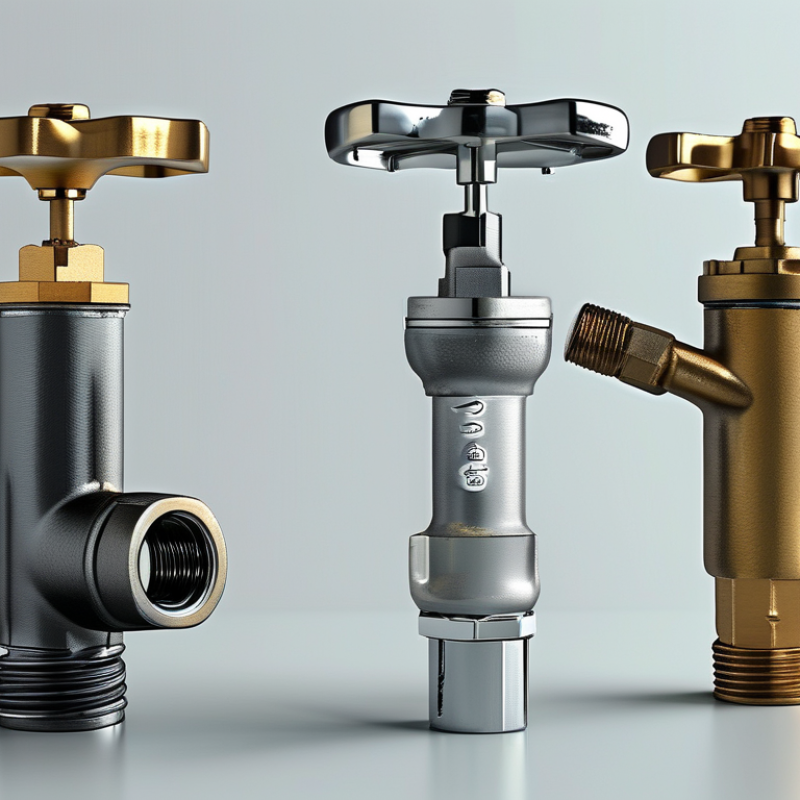
Faucet cartridges play a crucial role in how faucets operate. Understanding the different types of cartridges available can aid in selecting the right one for your needs. There are several key styles, including cartridge, compression, and ball. Each style functions differently and comes with unique benefits.
When choosing a faucet cartridge, consider the type of faucet in your home. Some designs may require specific cartridges to function correctly. Reflect on how often you use your faucet. Frequent use may suggest a more durable option.
Tips: Look for cartridges made from high-quality materials. This can enhance longevity. Research common issues associated with each type to avoid potential pitfalls. Always consult a plumbing expert when in doubt. It's wise to consider long-term maintenance before making a final decision.
What to Know About Faucet Cartridge Types and Selection
| Cartridge Type |
Description |
Pros |
Cons |
Typical Applications |
| Compression Cartridge |
Uses a rubber washer to control water flow. |
Simple design; easy to repair. |
Shorter lifespan; may require frequent maintenance. |
Older faucets, budget-friendly options. |
| Cartridge Valve |
Controls flow and temperature via a single cartridge. |
Smooth operation; consistent temperature control. |
May be more expensive to replace. |
Modern faucets, high-end designs. |
| Ball Faucet |
Uses a spherical ball to control flow and temperature. |
Highly durable; easy to use. |
Complex installation; may require specific parts. |
Kitchen sinks, where durability is key. |
| Disk Faucet |
Uses ceramic disks to control flow. |
Long-lasting; resistant to wear and tear. |
Can be costly initially; complicated repairs. |
Bathroom and kitchen faucets, high durability needed. |
Types of Faucet Cartridges: A Detailed Breakdown
When selecting a faucet cartridge, understanding the different types is essential. Faucet cartridges generally fall into four categories: compression, cartridge, ball, and ceramic disc. Each type has unique features that influence performance and durability. According to industry studies, ceramic disc cartridges tend to last longer than others, often even exceeding ten years without a leak.
Compression cartridges, while easier to repair, may require more frequent maintenance. They operate using washers, which can wear out over time. In contrast, ball cartridges are typically found in single-handle faucets, allowing for precise temperature control. These cartridges are more complex and might complicate repairs.
Tip: Always check for compatibility before purchasing a cartridge. Some faucets may require specific cartridges that fit only those models.
Consider the water quality in your area, as mineral buildup can affect cartridge lifespan. Regular cleaning might be necessary to extend their usability. Opting for high-quality cartridges can save time and money in the long run.
Tip: Keep spare cartridges on hand. This preparation can prevent delays during repairs. Regularly inspect your faucet for leaks, as early detection can lead to easier fixes.
How to Choose the Right Faucet Cartridge for Your Needs
Choosing the right faucet cartridge is crucial for effective water flow. Different types exist, including compression, cartridge, ceramic disc, and ball types. Each has distinct features and operates differently. For instance, cartridge types may provide a smooth handle rotation, while compression types require you to tighten the handle to stop the water flow.
When selecting a cartridge, consider your faucet's brand and model. Compatibility is key. Inspect the existing cartridge for any identifying marks or measurements. You might find that an easy option doesn’t always guarantee a perfect fit.
Think about your water usage habits too. Do you prefer a more precise control over the temperature and flow? Ceramic disc cartridges excel in this area. However, if you are not concerned about temperature control, a simpler option may suffice. Remember, your needs may vary over time. What works today might not suit you tomorrow. Always evaluate your choices based on current requirements.
Installation Tips for Faucet Cartridges: Step-by-Step Guide
Installing a faucet cartridge may seem simple, but it's essential to follow a clear guide. Understanding the type of cartridge is the first step. There are various cartridges, including compression, ceramic disc, and ball types. According to industry reports, ceramic cartridges represent about 50% of the market due to their durability and low maintenance needs.
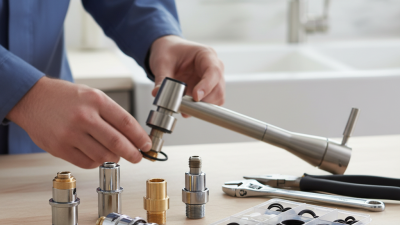
Preparation is key when starting this project. First, turn off the water supply to prevent leaks. You'll need basic tools: a wrench, screwdriver, and potentially a utility knife for sealing. Carefully remove the faucet handle and any decorative caps, revealing the cartridge underneath. Be mindful of orientation. Some cartridges can only be installed in specific directions.
Always examine the old cartridge for a model number. This information aids in finding replacements. Once you’ve removed the old cartridge, cleaning the area is vital. Sediment buildup can hinder the new cartridge’s performance. After placing the new cartridge, ensure everything aligns correctly before reassembling. A common mistake is not securing the handle tightly, leading to future leaks. Following these detailed steps reduces the chance of complications later.
Faucet Cartridge Types and Their Popularity
This chart represents the popularity of different types of faucet cartridges. The data indicates that cartridge types are the most prevalent, followed by compression and ball types, while disk types are the least popular.
Common Issues with Faucet Cartridges and Troubleshooting Solutions
Faucet cartridges are essential components in many plumbing fixtures. They often face various issues, which can lead to inefficient water flow. A common problem is leakage. If water seeps from the handle or base, it may signal a worn cartridge. In this case, replacing the cartridge can often resolve the issue.
Another frequent concern is a low water flow. This can stem from sediment buildup in the cartridge or aerator. Regular cleaning can help prevent this issue. However, if the problem persists, consider checking the cartridge itself. Sometimes, minerals can cause it to become sluggish over time.
Lastly, dripping faucets can be frustrating. This is often due to a faulty seal in the cartridge. Replacing the cartridge should usually fix this problem. Be mindful that DIY repairs may fail if the right tools or parts are not available. Always evaluate the situation before proceeding. Understanding these common issues with faucet cartridges can empower homeowners to tackle plumbing tasks confidently.