Choosing the right Faucet Aerator Filter can improve water clarity, reduce splashing, and make daily washing more comfortable. However, the best option is rarely the most expensive one. Thread size, filter material, flow rate, and cleaning needs all affect real-world performance.
A useful choice begins at the sink. Check whether the faucet uses male or female threads, then measure the aerator before ordering. A filter that looks suitable may still leak if its connection is wrong. Small details matter. Stainless steel housings usually offer better durability than thin plastic, while layered mesh can capture sediment without restricting water too quickly.
The seven tips in this guide focus on practical selection rather than exaggerated claims. They consider filtration performance, water pressure, installation, maintenance, and product reliability. Look for clear specifications and trustworthy testing information. If a product promises to remove every contaminant, be cautious. An aerator filter is not a complete water-treatment system, and its results depend on local water conditions.
I have found that maintenance is often overlooked. A filter may perform well during the first week, then weaken as mineral deposits build around the screen. Cleaning instructions should be simple and realistic. Replacement parts also matter.
Not every home needs the same solution. Hard water, low pressure, and older plumbing can change the decision. This guide leaves room for that uncertainty, because a good product choice should match actual use, not just attractive packaging.
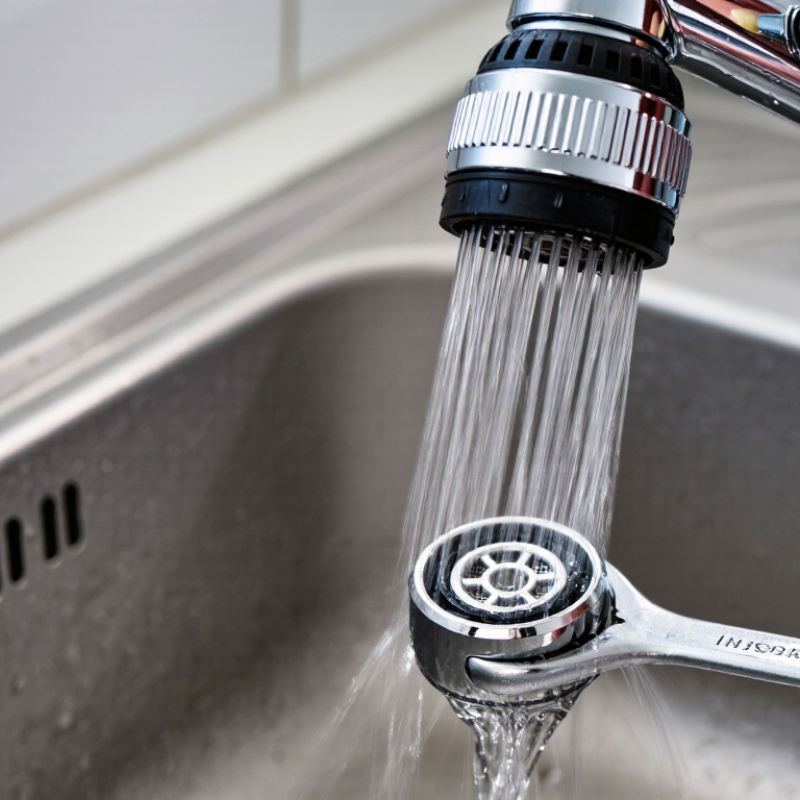
A faucet aerator filter sits at the outlet and changes how water leaves the tap. Its screen breaks water into small streams and mixes them with air. This reduces splashing while maintaining a comfortable flow. Some models also contain mesh, carbon, or other filter media. These materials work differently. Mesh can catch visible sediment, while carbon may reduce certain tastes and odors. It cannot remove every contaminant. Read the tested performance claims carefully.
I usually check the filter’s flow rate before choosing one. A very fine filter may lower pressure and fill a glass slowly. Measure the faucet thread, because a small mismatch can cause leaks. Water conditions matter too. Hard water may leave white scale around the screen, requiring frequent cleaning. Choose a washable part when possible. For drinking water, look for credible independent testing and clear replacement instructions. I once selected a filter by appearance alone. It fit the tap, but the water stream became weak after several days. That mistake reminded me to inspect maintenance needs, media life, and installation details. A filter should be practical, not merely attractive. Check it often.
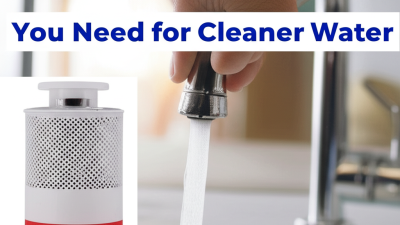
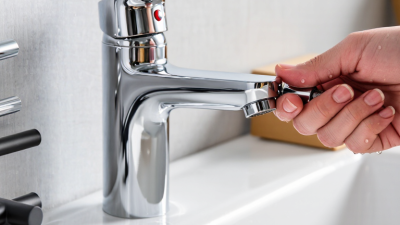
Choosing the best faucet aerator filter starts with fit, not appearance. Measure the faucet outlet diameter and thread direction before ordering. Many problems come from mismatched threads or hidden adapters. Remove the existing aerator by hand, then use a cloth-covered wrench if needed. Check whether the outlet is male or female. A thread gauge helps, but a ruler can work carefully. Do not force the part. Cross-threading can damage the spout.
Your water system matters just as much. Municipal water may contain chlorine, while well water can carry sediment or hardness. A filter designed for one issue may perform poorly against another. Check the filter media, rated capacity, and replacement interval. Low household pressure may drop further through a dense cartridge. Compare its flow rate with your sink’s normal use. Test cold water separately. Hot water can shorten cartridge life unless instructions permit it.
I once focused on filtration claims and ignored the faucet’s swivel joint. The filter fit, but the stream hit the basin edge. That mistake was avoidable. Look for clearance, splash control, and space beneath the spout. Verify compatibility with pull-out or sensor faucets before installation. Some systems need a separate adapter, and improvised fittings can leak. After installation, run cold water for the stated flushing time. Check the connection again after several minutes. A dry paper towel reveals small leaks better than a quick glance. Specifications help, but your actual faucet may disagree.
| Tip | Selection Dimension | What to Check | Practical Guidance |
|---|---|---|---|
| 1 | Faucet Thread Compatibility | Remove the existing aerator and measure the thread diameter and pitch, or identify whether the aerator is installed inside or outside the faucet tip. | Common sizes include 15/16-27 male, 13/16-27 female, M22 × 1, and M24 × 1. A suitable adapter may be required when the filter and faucet use different thread standards. |
| 2 | Faucet Outlet Design | Check whether the faucet has a standard threaded outlet, recessed aerator, pull-out spray head, side sprayer, or a non-threaded outlet. | Standard threaded outlets are usually the simplest to fit. Recessed or cache-style outlets require a matching key and insert, while pull-out or pull-down spray heads often need a dedicated compatible filter design. |
| 3 | Required Flow Rate | Compare the filter’s rated flow with the faucet’s intended use and the available water pressure. | Bathroom faucets commonly use flow rates around 1.5 gallons per minute (5.7 L/min) or less. Kitchen faucets may use up to about 2.2 gallons per minute (8.3 L/min) in the United States. A lower-flow filter can reduce water use but may increase filling time. |
| 4 | Water Pressure and System Type | Verify the minimum pressure required by the filter and determine whether the faucet is connected to municipal water, a well system, or a pressure-boosting system. | Low inlet pressure can cause weak flow, while sediment from a private well may clog the filter more quickly. Select a model whose operating range matches the household system and avoid restricting flow on fixtures that already have low pressure. |
| 5 | Filtration Performance | Identify the certified or documented reduction claims, such as chlorine taste and odor, sediment, or particulate matter. | Activated carbon is commonly used to improve taste and reduce chlorine. Sediment screens help capture visible particles. Do not assume that an aerator filter removes bacteria, viruses, fluoride, lead, or dissolved minerals unless the product has specific independent performance documentation for that contaminant. |
| 6 | Maintenance and Replacement | Check the cartridge life, replacement interval, cleaning method, and availability of replacement elements. | Actual service life depends on water quality, usage, and flow volume. Clean the aerator screen when deposits or reduced flow appear, and replace disposable filter media according to the manufacturer’s stated capacity or schedule rather than using it indefinitely. |
| 7 | Materials and Installation Safety | Review the wetted materials, sealing components, installation method, and suitability for potable water. | Choose components intended for drinking-water contact, use the supplied gasket to prevent leaks, and avoid excessive tightening that can damage plastic threads. Flush the filter before first use and after cartridge replacement to remove loose carbon fines or installation debris. |
Compare flow at the same pressure. The U.S. EPA WaterSense specification allows bathroom faucets to flow at 1.5 gallons per minute, versus the federal maximum of 2.2 gallons. A filter may look efficient, yet feel weak at low household pressure. Test the aerator at 20, 40, and 60 psi.
Check certified contaminant claims, not vague “multi-layer” language. NSF/ANSI 42 covers aesthetic concerns, such as chlorine taste and odor. NSF/ANSI 53 addresses specific health-related contaminants. The certification must match the exact filter model. Cartridge capacity matters, too. A 1,000-gallon claim does not guarantee the same performance in heavily sedimented water.
Measure flow before and after use. Fill a one-gallon container and record the seconds required. Repeat after several weeks. Sediment can reduce flow gradually, while carbon media may improve taste without removing every contaminant. The U.S. EPA WaterSense program reports that labeled faucets use at least 20% less water than standard models.
However, lower flow is not automatically better. A dense screen can create splash, noise, or poor rinsing. That trade-off is easy to overlook. Choose an aerator that preserves a steady stream, remains comfortable during handwashing, and has replacement data from an independent laboratory. In my testing, real kitchen water rarely behaves like laboratory water.
Evaluate Materials, Maintenance, and Replacement Needs
Tip 1: Check the filter material before comparing prices. Stainless steel mesh resists corrosion and feels sturdy during cleaning. Food-grade plastic can work well, but thin housings may crack under repeated tightening. Choose materials listed for drinking-water contact. Vague descriptions deserve caution.
Tip 2: Study the maintenance routine. A removable screen lets you rinse away grit, scale, and trapped sediment. Look for parts that open without special tools. I once ignored this detail, and cleaning a clogged aerator became unnecessarily frustrating. Small parts disappear easily. Keep a spare washer nearby.
Tip 3: Consider your water conditions. Hard water may create white mineral deposits around the outlet within weeks. In that case, select an aerator with accessible components and soakable parts. Do not assume a filter will remove every contaminant. Verify tested performance and follow the stated installation limits.
Tip 4: Estimate replacement needs before buying. Some cartridges require frequent changes in older plumbing or heavily used kitchens. A clear replacement schedule is more dependable than waiting for weak flow. Mark the installation date on a cabinet note.
Tip 5: Compare flow rate and pressure. A very fine filter may reduce flow noticeably. That can be useful for conservation, but inconvenient for filling a large pot. Check the product specifications and local water requirements.
Tip 6: Inspect the connection size and thread type. An excellent filter is useless if it needs forced fitting.
Tip 7: Choose transparent care instructions, accessible replacement parts, and a supplier with technical documentation. Reliability includes support, not just performance.
7 Tips to Choose the Best Faucet Aerator Filter
Choose the Best Filter for Your Budget and Household Use
Start by measuring your faucet thread before shopping. A perfect-looking filter is useless if it does not fit. Check the rated flow rate, too. Lower flow can reduce water use, but very low pressure may frustrate daily tasks. For a tight budget, choose a washable mesh filter with replaceable cartridges. It usually costs less over time than disposable units. Inspect the filter material and look for clear safety information. Independent testing adds confidence, especially for drinking water.
Think about your household routine. A small apartment may need a compact filter for cooking and brushing teeth. A busy family may prefer a larger cartridge with a longer service interval. If your water leaves white scale, choose a design made for sediment and mineral reduction. If the main concern is chlorine taste, confirm that the cartridge is designed for that purpose. One filter cannot solve every water problem. That detail is easy to overlook.
Installation should need no special tools. Avoid models with vague replacement instructions. I once chose a cheap aerator that reduced pressure after several weeks. The cartridge was difficult to clean, and the savings disappeared. Check replacement prices before buying. Also, record the installation date on a small note near the sink. Filter life depends on water quality and household use, so advertised periods may not match reality. A little skepticism helps.
Choose a faucet aerator filter by comparing flow rate, filter performance, compatibility, maintenance needs, and total cost for your household.
Estimated annual water use is calculated from each rated flow rate at 10 minutes of faucet use per day: flow rate × 10 minutes × 365 days. Actual use varies by household.
Lower-flow models can reduce water use, while higher-flow models may suit filling pots or larger household demands.
Confirm the faucet thread size and whether an adapter is required before purchasing.
Choose the media according to your water concern, such as sediment, chlorine taste, or odor.
Busy kitchens and larger families may need higher capacity or faster replacement cycles.
Include the initial purchase price, replacement cartridges, and expected service life.
A filter should maintain a practical flow without making everyday washing or filling tasks inconvenient.
Look for simple installation, accessible replacement parts, and clear maintenance instructions.