Top Quality Brass Fittings For Mixer What You Need to Know?
When it comes to plumbing and mixing applications, "Brass Fittings For Mixer" are essential components. They play a crucial role in ensuring efficient connections and preventing leaks. High-quality brass fittings are known for their durability and resistance to corrosion. However, not all fittings are created equal. It's important to choose fittings based on specific needs and applications.
Understanding the advantages of brass is vital. It offers superior strength and longevity compared to other materials. Yet, many consumers overlook the importance of proper fitting sizes and types. This can lead to issues down the line, such as poor flow rates or leaks. Investing in high-quality brass fittings requires careful consideration and expert guidance.
In the world of plumbing, it's easy to get lost in the vast options available. Each fitting serves a unique purpose, and knowing the right choice can be overwhelming. Reflecting on the importance of quality and compatibility can lead to better long-term results. Ultimately, selecting the right brass fittings for mixers is a decision that should combine both expertise and practical experience.
Understanding Brass Fittings: Characteristics and Benefits
Brass fittings are essential in many plumbing applications. They stand out due to their durability and resistance to corrosion. The unique properties of brass allow for reliable connections in various environments. This reliability makes them a preferred choice for mixers and faucets.
One significant benefit of brass fittings is their thermal conductivity. They can handle high temperatures without deforming. This characteristic is crucial in areas where water heats rapidly. Additionally, brass fittings provide excellent sealing capabilities. This feature prevents leaks and promotes overall system efficiency. However, finding the right size and type may be challenging. Inaccurate measurements can lead to frustration and leaks.
It's important to note that brass can tarnish over time. Regular maintenance is needed to preserve its appearance. While some people may appreciate the aged look, others prefer a polished finish. Balancing these preferences can be tricky. Understanding these characteristics helps with informed choices, ensuring you select fitting components that meet your needs.
Types of Brass Fittings Used in Mixers: A Comprehensive Overview
Brass fittings play a crucial role in mixers, ensuring durability and efficiency. These fittings are widely used due to their resistance to corrosion and high temperatures. They are ideal for various applications, from residential to industrial mixers. Quality brass fittings can enhance performance and extend the lifespan of equipment.
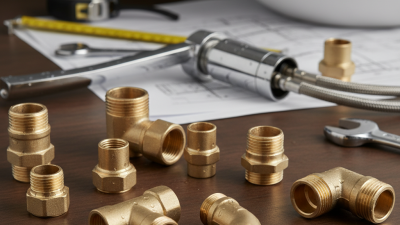
There are several types of brass fittings used in mixers. Compression fittings are popular for secure connections. They are easy to install and remove. Elbow fittings allow for smooth transitions in plumbing. They maintain the flow of fluid with minimal turbulence. Additionally, barbed fittings are great for hoses, providing a strong grip. Understanding these types helps in selecting suitable fittings for specific mixer requirements.
Tips: Always check the specifications of your mixer before choosing fittings. Proper sizing is essential to avoid leaks. Regular maintenance is vital for longevity. Inspect fittings for wear and corrosion to ensure safe operation. Investing in quality components will reduce long-term costs.
Research shows that about 70% of mechanical failures are linked to inadequate fittings. This highlights the importance of choosing the right brass fittings. Engaging with industry reports can inform better decisions. Ultimately, selecting the right fittings is a step toward reliability and efficiency in mixers.
Key Factors to Consider When Choosing Brass Fittings for Mixers
When selecting brass fittings for mixers, several key factors come into play. The quality of brass, for instance, directly influences durability and performance. According to the American Society for Testing and Materials (ASTM), high-grade brass fittings, made from forged brass, exhibit superior corrosion resistance, which is crucial in high-moisture environments.
Another important factor is the fitting size and compatibility. Industry standards suggest that mismatched dimensions can lead to leaks or system failures. Proper sizing ensures efficient fluid transfer, minimizing the risk of costly repairs. Notably, a report by the Institute of Plumbing shows that up to 30% of plumbing issues stem from improper fittings.
Cost also plays a significant role in selection. While cheaper options may seem appealing, they often compromise longevity. Research indicates that investing in quality fittings can reduce replacement frequency by up to 40%. Pay attention to certifications and industry standards to gauge quality without overspending. Remember, a balance between cost and quality is essential in making informed choices.
Installation Tips for Brass Fittings in Mixer Applications
When installing brass fittings in mixer applications, attention to detail is crucial. Brass fittings are known for their durability and corrosion resistance. Begin by ensuring that all surfaces are clean and free from debris. Dirt can compromise the seal, leading to leaks over time. Use a suitable cleaning agent and a cloth to wipe down the areas where the fittings will be attached.
While connecting the brass fittings, it’s important to avoid over-tightening. Excessive force can damage the threads and create more problems down the line. Applying a thread sealant is often beneficial. This reinforces the connection and minimizes the risk of leaks. Remember that achieving a snug fit requires patience. Rushing through the installation can lead to mistakes that might not be apparent until the mixer is in use.
Additionally, always inspect the fittings for any signs of wear or damage before installation. It’s easy to overlook minor flaws, but these can lead to failure. Regular maintenance checks should be part of your routine. This not only ensures longevity but also enhances the overall performance of the mixer. Take care in your installation process, as it can save time and resources in the long run.
Maintaining and Caring for Brass Fittings in Mixers
Maintaining brass fittings in mixers is essential for optimal performance. Regular cleaning helps prevent corrosion and buildup. Use mild soap and warm water, then dry thoroughly. This reduces the risk of tarnishing and maintains the fittings’ shine.
Inspect the fittings frequently for any signs of wear. Look for loose screws or leaks. Even a small issue can lead to larger problems. Replacing worn fittings on time can save you money in the long run. Remember, neglecting maintenance can result in irreversible damage.
It's important to know that brass can tarnish over time. If that happens, consider using a brass polish designed for kitchen use. Avoid harsh chemicals that can damage the fitting's surface. By caring for your mixer’s brass parts, you ensure longevity and efficiency.
Top Quality Brass Fittings For Mixer: What You Need to Know? - Maintaining and Caring for Brass Fittings in Mixers
| Feature |
Description |
Maintenance Tips |
| Corrosion Resistance |
Brass fittings are resistant to corrosion, making them ideal for mixers. |
Regularly clean with mild detergent and avoid abrasive cleaners. |
| Durability |
Brass fittings are known for their strength and longevity. |
Inspect regularly for wear and replace if there's significant damage. |
| Temperature Resistance |
They can withstand high temperatures, making them suitable for hot mixers. |
Avoid exposing to extreme temperature fluctuations to maintain integrity. |
| Versatility |
Brass fittings can be used in both hot and cold applications. |
Ensure compatibility with the mixer to prevent leaks. |
| Aesthetic Appeal |
Brass has a shiny, attractive finish that enhances the look of mixers. |
Polish occasionally to maintain its luster; avoid harsh chemicals. |